Michael Ayrton (1921–1975) was a versatile British artist whose work spanned painting, printmaking, sculpture, criticism, broadcasting, and novel writing. His artistic oeuvre is deeply infused with themes of flight, mythology, mirrors, and mazes, reflecting his fascination with both the physical and psychological landscapes these symbols evoke.
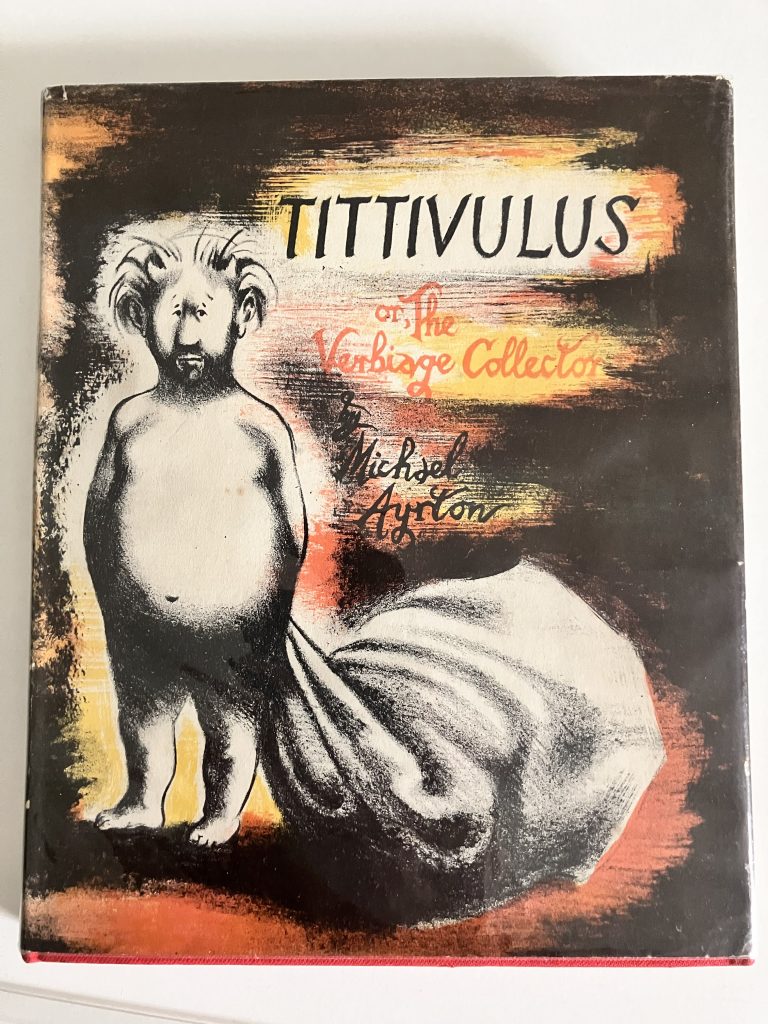
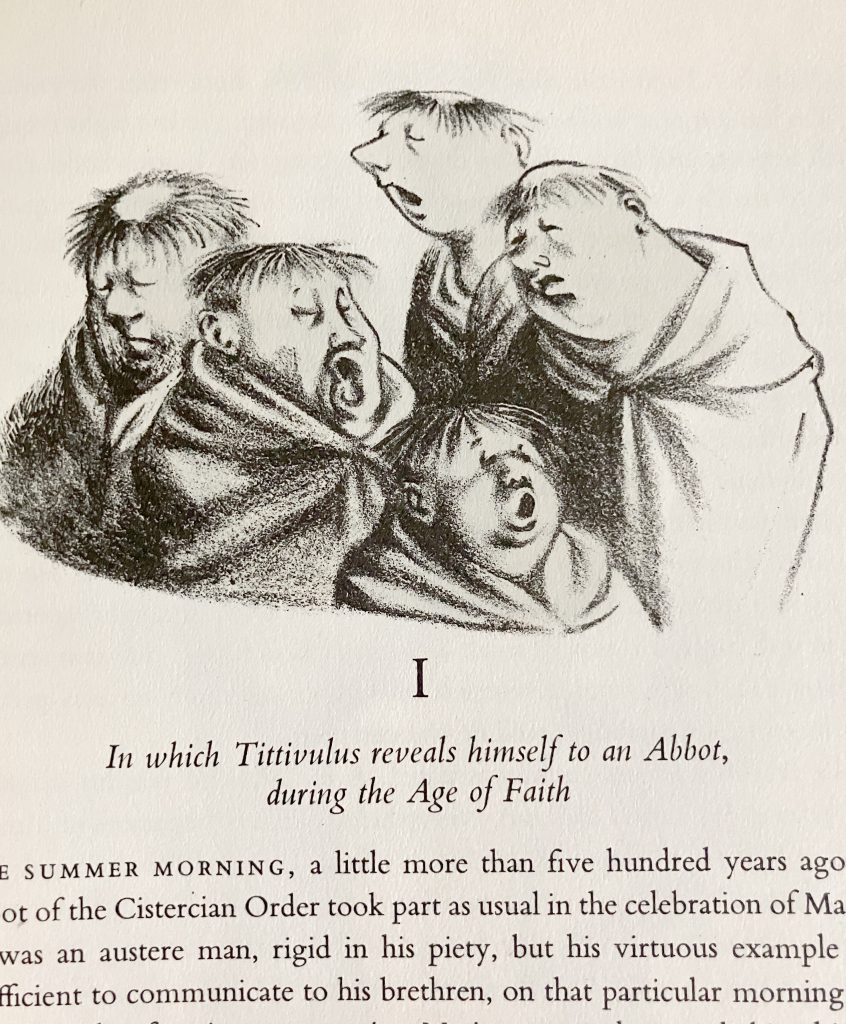
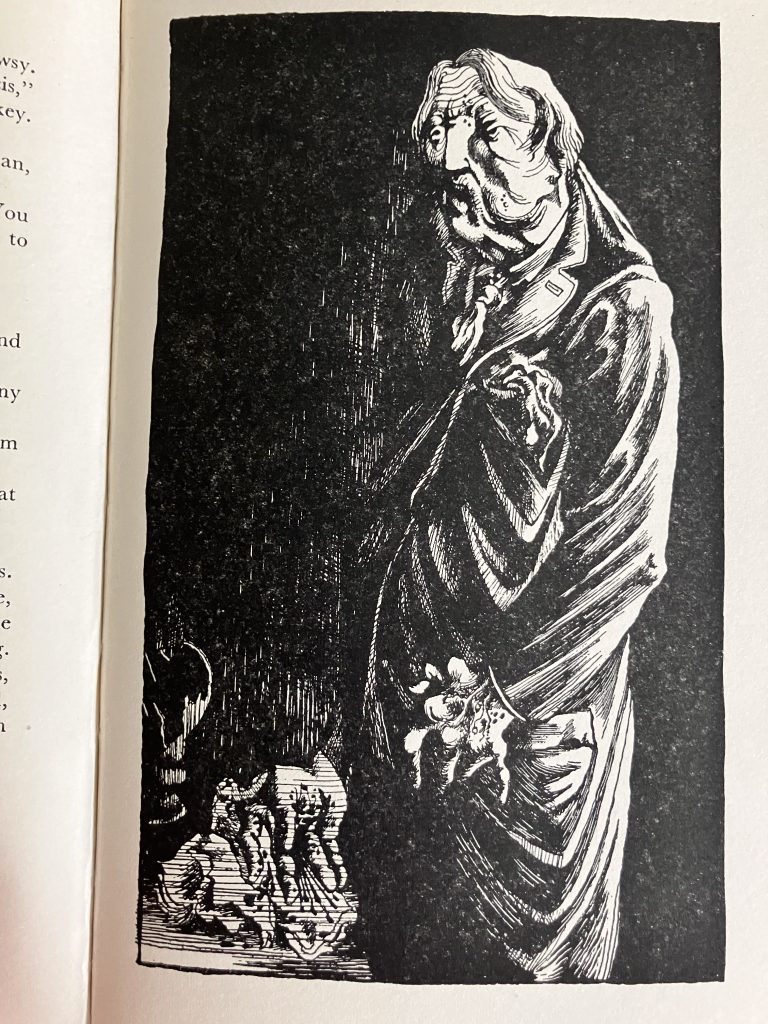
I first encountered Ayrton’s work through his illustrations in several books I own, including Poems of Death (1945), Tittivulus or The Verbiage Collector (1953), and his evocative drawings for Oscar Wilde’s The Picture of Dorian Gray. These illustrations showcase Ayrton’s ability to blend narrative with visual art, imbuing each work with a haunting, almost mythic quality.
Initially associated with the English Neo-Romantic movement, Ayrton was influenced by artists such as Pavel Tchelitchew, Henry Moore, and Graham Sutherland. This influence is evident in his early works, which embody the Neo-Romantic style’s emotional depth and complex symbolism. Ayrton’s unique vision and intellectual curiosity allowed him to create art that resonates with both personal and universal themes, making him a distinctive voice in 20th-century British art.